
Quick Answer
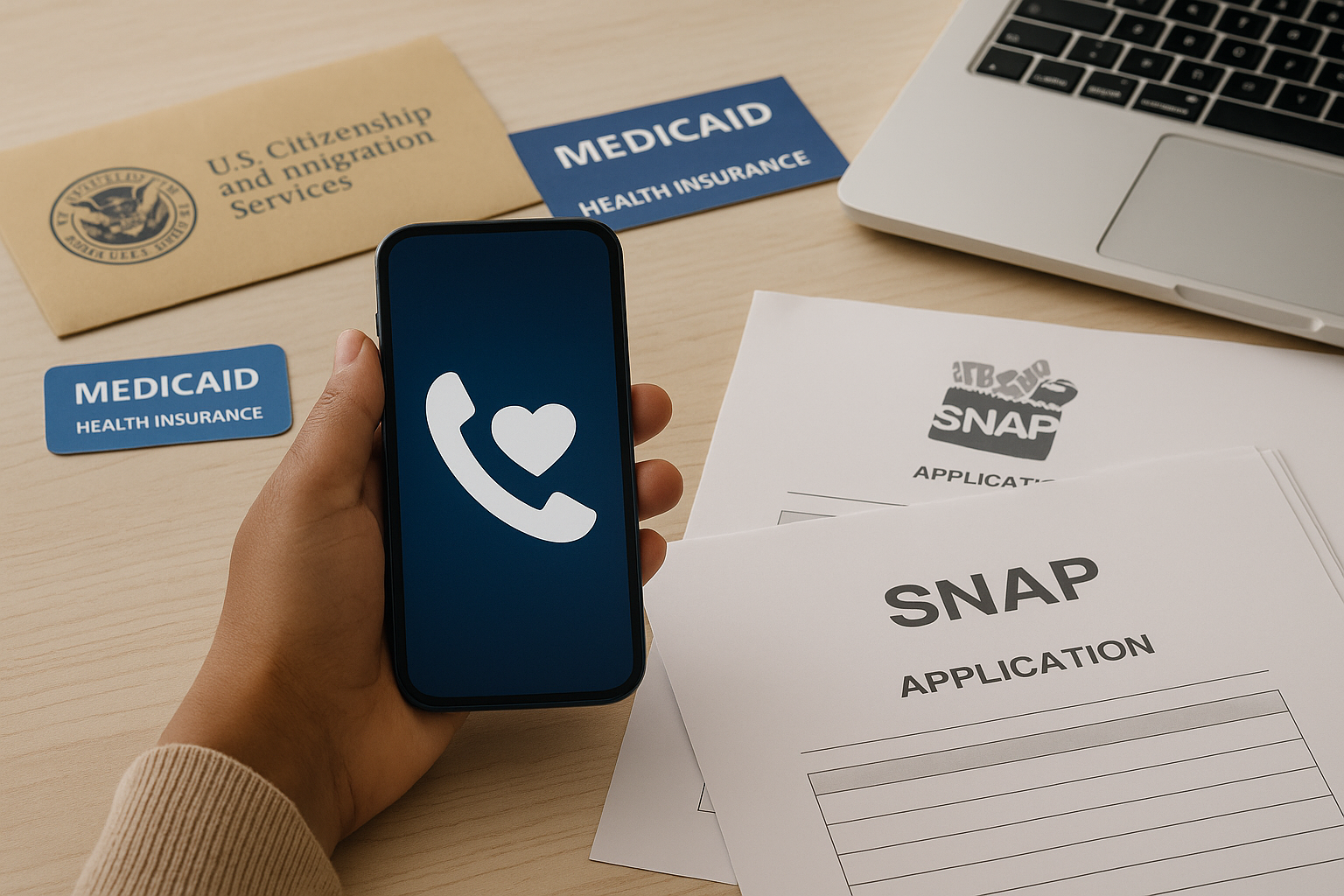
You can qualify for Lifeline Assistance if anyone in your household participates in one of these programs: SNAP (food stamps), Medicaid, Supplemental Security Income (SSI), Federal Public Housing Assistance (Section 8), or Veterans Pension or Survivors Pension. Residents of federally recognized Tribal lands can also qualify through Tribal programs: Bureau of Indian Affairs General Assistance, Tribal TANF, Food Distribution Program on Indian Reservations (FDPIR), or Tribal Head Start (only if the household meets income eligibility). You may also qualify by income if your household is at or below 135% of the Federal Poverty Guidelines, even without one of these programs.
How Program-Based Lifeline Eligibility Works
Lifeline is a Federal Communications Commission (FCC) program that lowers the monthly cost of phone or internet service for qualifying low-income households. You can qualify in two ways: by income or through participation in specific government assistance programs. This guide focuses on the program pathway, which is often faster because you can verify eligibility with an approval or benefits letter instead of submitting tax returns or pay stubs.
In Lifeline, a “household” means people who live together and share income and expenses. If any one person in your household participates in a qualifying program, the entire household can use that participation to qualify for a single Lifeline benefit. Only one Lifeline discount is allowed per household, even if several people in the home participate in qualifying programs.
Federal Programs That Qualify You
SNAP (Supplemental Nutrition Assistance Program)
SNAP—commonly called food stamps—is the most frequent route to Lifeline. Acceptable proof includes a recent award or benefit verification letter, or a screenshot from your state benefits portal. Your document must clearly display the participant’s name, the program name, and either a date within the past 12 months or a future expiration date. An EBT card alone usually isn’t enough unless it lists the participant’s name and current validity.
Medicaid
Active Medicaid enrollment qualifies you for Lifeline. You can use a current Medicaid card, an approval/renewal letter, or a benefits portal screenshot that shows the enrollee’s name, the program, and active coverage dates. Managed care plan cards are acceptable if they explicitly indicate Medicaid coverage. Note: Medicare and standalone CHIP are not qualifying programs.
Supplemental Security Income (SSI)
SSI qualifies; Social Security retirement and SSDI do not qualify by themselves. Provide an SSI award letter, a benefit verification letter that lists SSI specifically, or a recent statement from the Social Security Administration showing ongoing SSI benefits. If a dependent in your household receives SSI, that still qualifies the household for one Lifeline discount.
Federal Public Housing Assistance (FPHA/Section 8)
Participation in federal housing assistance qualifies. Acceptable documents include a Housing Choice Voucher (Section 8) or a letter from your housing authority that names the participant, references FPHA or Section 8, and shows an active term. State- or locally funded housing programs do not always qualify unless your document explicitly ties the assistance to the federal FPHA/Section 8 program.
Veterans Pension or Survivors Pension
Receiving a VA Veterans Pension or Survivors Pension qualifies you. Other VA benefits, including VA disability compensation alone, are not qualifying. Upload a VA benefits letter that identifies the pension type and the beneficiary’s name.
Tribal Programs That Qualify You
In addition to the federal programs above, residents living on federally recognized Tribal lands can qualify through these programs. If you qualify this way and your service address is on Tribal lands, you may also receive an enhanced Lifeline discount.
Bureau of Indian Affairs (BIA) General Assistance
A current BIA General Assistance award or verification letter that names the recipient and the benefit period qualifies your household.
Tribally Administered TANF
If you receive TANF through a Tribal program, a current approval or benefits letter qualifies you. State TANF alone is not on the standard federal Lifeline list; the qualifying route here is Tribal TANF for residents on Tribal lands.
Food Distribution Program on Indian Reservations (FDPIR)
Active FDPIR participation qualifies you. Provide an approval letter, case summary, or benefits statement that lists the participant’s name, FDPIR by name, and current dates.
Head Start (Income-Based, Tribal Only)
Enrollment in Tribal Head Start qualifies only if the household meets income eligibility for that program. Submit a letter confirming the child’s enrollment and the program’s income-based eligibility determination. General school programs or free/reduced-price school meals are not qualifying for Lifeline.
Programs That Do Not Qualify (Common Confusions)
These programs and benefits do not qualify you for Lifeline on their own, even though some previously qualified households for the now-ended Affordable Connectivity Program (ACP):
- WIC
- Social Security retirement
- SSDI (Social Security Disability Insurance)
- Unemployment insurance
- Pell Grants
- Free or reduced-price school lunch or breakfast
- Medicare (without Medicaid)
- VA disability compensation (without Veterans or Survivors Pension)
- CHIP (Children’s Health Insurance Program), when not part of Medicaid
ACP ended when federal funding ran out, but Lifeline remains active with a narrower, longstanding eligibility list.
Income-Based Eligibility (If You Don’t Use a Program)
If nobody in your household participates in a qualifying program, you can still qualify if your household income is at or below 135% of the Federal Poverty Guidelines for your state or territory (guidelines differ for Alaska and Hawaii). You’ll need to verify gross household income using documents such as a prior-year federal or state tax return, recent pay stubs, a Social Security benefits statement, or other official income records for all household members. Many applicants find the program-based route simpler because a single recent benefits letter often suffices.
What Proof You Need and How to Submit It
The National Verifier (run by the Universal Service Administrative Company, or USAC) must see three details on your document: the program name, the beneficiary’s full name, and a recent date (within the last 12 months) or a future expiration date. Acceptable proof includes:
- Approval, award, renewal, or benefit verification letters
- Official program portal screenshots that clearly show your name, the program, and dates
- Program cards that display the enrollee’s name and active dates (e.g., some Medicaid cards; EBT cards typically lack dates and may not be accepted by themselves)
Make sure your uploads are legible, uncropped, and not overly redacted. If your name changed (for example, after marriage), include a supporting document so your identity matches. If you’re qualifying through a child or dependent, ensure the document shows the dependent’s name and that your application reflects the same household address.
Where and How to Apply
Most people apply online through the National Verifier. You’ll provide your legal name, date of birth, last four digits of your Social Security Number (or Tribal ID), and service address. If the system confirms your participation automatically, you’ll be approved immediately. If not, you can upload documents for manual review. You can also apply by mail or start your application through a participating phone or internet company if you prefer in-person or provider-assisted enrollment.
After the National Verifier approves you, select a participating Lifeline provider and enroll your benefit with that company. The provider must complete activation for your monthly discount to begin. If you switch providers later, you can transfer your Lifeline benefit; remember that only one active Lifeline benefit is allowed per household at any time.
One-Per-Household Rule and Exceptions
Lifeline allows only one benefit per household. Roommates who share expenses, couples, and families at the same address count as a single household. However, multiple households can exist at one address when residents do not share income and expenses—for example, unrelated tenants renting separate rooms, people in a group home, or residents of a shelter with separate economic units. In those situations, each household may receive its own benefit after completing the household worksheet to certify that they are separate economic units.
Tribal Lands and Enhanced Support
Qualifying consumers living on federally recognized Tribal lands may receive additional monthly Lifeline support beyond the standard discount. There is also a separate one-time Tribal Link Up benefit that helps offset connection charges on Tribal lands, available through participating providers. Because support amounts and minimum service standards can change, check the current figures with USAC, the FCC, or your provider before you enroll.
Comparison: Which Programs Qualify and What Proof Works
| Program | Who Administers | Who in the Household Can Qualify You | Typical Proof to Upload | Notes and Pitfalls |
|---|---|---|---|---|
| SNAP | State agencies under USDA | Any household member | Recent award/benefit letter; portal screenshot with name, program, and dates | EBT card alone may lack dates; ensure the document shows a current benefit period |
| Medicaid | State Medicaid agencies | Any household member | Medicaid card; approval/renewal letter; portal screenshot with active coverage dates | Managed care cards must indicate Medicaid; Medicare or standalone CHIP do not qualify |
| SSI | Social Security Administration | Any household member | SSI award or verification letter; recent benefit statement naming SSI | Not the same as SSDI or retirement benefits—those don’t qualify by themselves |
| FPHA (Section 8) | HUD and local housing authorities | Any household member | Voucher or housing authority letter with participant name and program | Document must clearly reference FPHA/Section 8; state-only housing aid may not qualify |
| Veterans Pension or Survivors Pension | U.S. Department of Veterans Affairs | Beneficiary or household member | VA benefits letter stating pension type | VA disability compensation alone isn’t qualifying |
| BIA General Assistance | Bureau of Indian Affairs | Beneficiary or household member (on Tribal lands) | Current award or verification letter | Service address must be on federally recognized Tribal lands |
| Tribal TANF | Tribal governments | Beneficiary or household member (on Tribal lands) | Approval or benefits letter | State TANF alone is not on the federal Lifeline list |
| FDPIR | USDA and Tribal organizations | Beneficiary or household member (on Tribal lands) | Program approval or benefits statement with dates | Document should list FDPIR explicitly |
| Head Start (income-qualifying) | Tribal Head Start programs | Enrolled child qualifies the household | Letter confirming enrollment and income eligibility | Only Tribal Head Start with income qualification is eligible |
How Recertification Works
Lifeline eligibility isn’t permanent. Each year, you must confirm that you still qualify. USAC typically contacts you by mail, email, or text around your recertification window. If you qualified through a program, be prepared to provide an updated benefits letter if the system cannot verify you automatically. Missing your recertification deadline can result in loss of the discount, but you can reapply when you meet the requirements again.
What If Your Program Ends or You Move?
If your qualifying program ends and you no longer meet income criteria, you must notify your provider within 30 days. If you move, update your address with both the National Verifier and your Lifeline provider. Moving onto or off Tribal lands can change your support level; you may need to submit new documents that reflect your new address and eligibility.
Choosing a Lifeline Provider
Not all phone or internet companies participate in Lifeline, and plan options vary by provider and location. When comparing, review the monthly price after the Lifeline discount, the data or minutes included, network coverage and reliability, device policies, activation fees, and any taxes or surcharges. If you already have service, ask whether your current company supports Lifeline transfers. Switching providers is allowed, but you’ll confirm your identity and household status as part of the transfer.
State Variations to Keep in Mind
Federal Lifeline rules and the core list of qualifying programs apply nationwide. However, some states add their own discounts or have extra enrollment steps. For example, California operates California LifeLine alongside the federal program with separate processes and benefits. A few states and territories also run state-specific verification portals. Always follow your state’s instructions if directed to a particular portal or asked for state-specific documents. Even with these variations, the federal list above remains the primary set of qualifying programs for Lifeline eligibility.
Tips to Avoid Delays
- Enter your full legal name exactly as it appears on your government ID.
- Upload proof that clearly shows the program name, beneficiary name, and current dates on the same page if possible.
- If your address is non-standard or newly established, include a document that verifies residence (utility bill, lease, government letter).
- For multi-unit buildings or group residences, complete the household worksheet if you are a separate economic unit.
- Keep copies of everything you submit; you may need the same documents for recertification or a provider transfer.
Frequently Asked Questions
Does participation by a child or dependent qualify the whole household?
Yes. If any member of your household participates in a qualifying program—such as a child enrolled in Medicaid, SSI, FDPIR, or Tribal Head Start—the entire household can use that participation to qualify for one Lifeline benefit, subject to the one-per-household rule.
Can I qualify for Lifeline with WIC, unemployment, SSDI, or CHIP?
No. WIC, unemployment insurance, SSDI, and standalone CHIP are not qualifying programs for Lifeline. You may still qualify by income (135% of the Federal Poverty Guidelines or less) or through one of the eligible programs listed earlier.
What if I was on the Affordable Connectivity Program (ACP)?
ACP ended when federal funding ran out. Lifeline continues with a different, narrower eligibility list. If you also qualify for Lifeline based on income or a qualifying program, apply through the National Verifier to keep a monthly discount on eligible phone or internet service.
How recent does my proof of program participation need to be?
Your document should show a date within the last 12 months or a future expiration date. The National Verifier must see the program name, the participant’s name, and a date to confirm your current enrollment.
What if my application is denied because the system can’t verify me?
You can upload documents for manual review. Double-check that your name matches your ID, your address is correct, and your proof clearly shows the program name and dates. If you are still denied, you’ll receive a reason and instructions to appeal or submit additional documentation.
Can more than one person at the same address get Lifeline?
Only one Lifeline benefit is allowed per household. However, multiple households can exist at one address if residents don’t share income and expenses. In that case, each household can receive its own benefit after completing the household worksheet to certify separate economic units.
Do Lifeline discount amounts and service requirements change?
Yes. The FCC periodically updates Lifeline support amounts and minimum service standards. Check the latest information with USAC, the FCC, or your provider before you enroll or renew.